
كتاب
الاسعافات الأولية لحالات الحروق
- أعراض وعلامات الحروق التي تصيب الحلق والمجاري التنفسية
حروق الحلق والمجاري التنفسية Throat and Airways Burns : تنتج من استنشاق أدخنة كاوية وحارقة أو بخار ماء ساخن أو هواء جاف مسخن أو أدخنة حرائق ساخنة وسامة وبحدث هذا غالبا في أماكن مغلقة ورديئة التهوية، وأحيانا تحدث الحروق في الفم والحلق والمجاري التنفسية من شرب مادة كيميائية حارحة خطئا كما في الأطفال أو تعمدا كما قي حوادث الإعتداء أو الإنتحار نتيجة اضطرابات نفسية.
أعراض وعلامات الحروق التي تصيب الحلق والمجاري التنفسية
عندما تصاب المجاري التنفسية أو منطقة الحلق والفم بالحروق نلاحظ مايلي:
· بقع بنية أو سوداء حول الفم , أو علامات احتراق الشّفتين.
· ملاحظة أفات للحروق في الرّأس وفي الوجه أو حول الرقبة.
· الشعور بالحشرجة في الحلق أو ألم حارق أحيانا.
· تغيّر في نغمة الصّوت.
· صعوبة التنفس.
· نوبات من الكحة المزعجة.
· ملاحظة وجود نصول شعر محروق بالأنف أو بالحواجب.
· خروج مخاط من الأنف مبقّع بالكربون و غامق اللون.
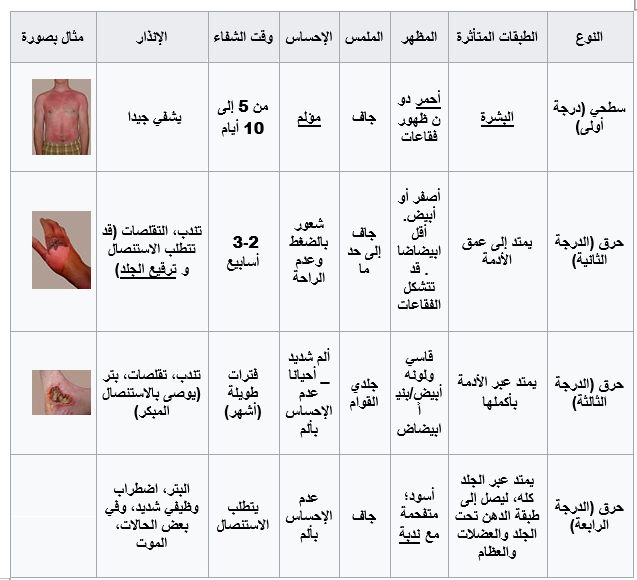
مضاعفات الحروق:
1. فقدان مصل الدم (البلازما)
2. فقد سوائل الجسم
3. تهتك أنسجة الجسم
4. الاختناق
قاعدة التسعات :
يقسم الجسم حسب هذه القاعدة إلى أجزاء ، و يعطى لكل جزء بنسبة مئوية و هى 9 % ، و هذا لإعطاء تقدير سريع فى مكان الحادث لمساحة الإصابة .
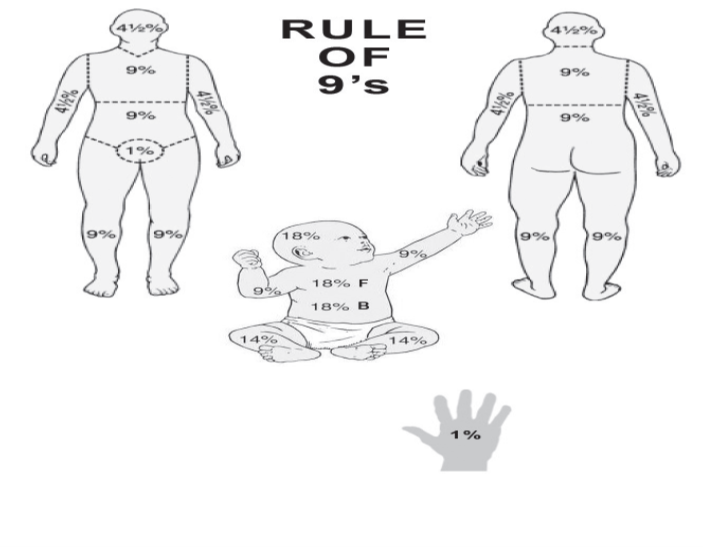
يقسم الجسم كالأتي
· الرأس =9 %
· الذراع الأيمن = 9 %
· الذراع الأيسر = 9 %
· الجزءالأمامى من الجزع=18%
· (الصدر= 9 %، البطن =9% )
· الجزءالخلفى من الجزع= 18%
· (الظهر= 9%،المقعدة= 9 %)
· الجزء الأمامى من كل طرف سفلى = 9 %
· الجزء الخلفى من كل طرف سفلى = 9 %
· المنطقة التناسلية = 1%
الإسعافات الأولية للحروق الكبيرة
• اذا كانت ملابس المصاب مشتعلة بالنيران، ضع المصاب على الأرض مستلقيًّا على ظهره، وغط المصاب ببطانية أو سجادة.
• قم بفتح المجرى الهوائى وتأمين التنفس.
• لا تنزع أى شىء ملتصق بالجزء المحترق.
• لا يتم وضع المراهم والمواد غير الطبية.
• لا تضع الماء البارد والمثلج على المساحات الكبيره من الحروق خوفا من حدوث الصدمة
• غط الجزء المحترق بغيار أو ملابس نظيفة منعًا للتلوث.
• انقل المصاب الى مركز طبى لتقديم الرعاية الطبية .
• لمنع حدوث الصدمة يزويد المريض بالسوائل والأملاح المعدنية.
الحروق الكيماوية:
هي الحروق الناجمة عن إصابة الجسم ببعض المواد الكيماوية الكاويةكالأحماض المركزة أو القلويات الشديدة، وتتصف هذه الحروق بأنها آكلةوناخرة للجسم ونافذة عميقا.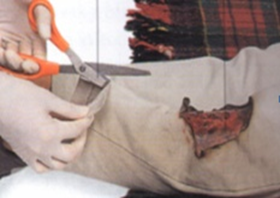
الإسعافات الأولية للحروق الكيماوية
• تأكد أنك فى مأمنمن المواد الكيماوية الحارقة.
• انزع الملابس من فوق الجزء المحترق.
• إخلع أى ساعة أو إكسسوارات تعرضت للمادة الكيماوية.
• إغسل الجزء المحترق بماء بارد لمدة 20 دقيقة على الأقل فى حالة المواد الكيماوية السائلة، ثم ضع عليها كمادات باردة.
• قم بإزالة المواد الكيماوية البودرة بفرشاة قبل غسلها.
• غط الجزء المحترق كله بغيار أو ملابس نظيفة منعًا للتلوث.
انقل المصاب الى أقرب مستشفى فى حالة أصبح الحرق من الدرجة الثانية، أو يوجد ألم شديد أو إمتد الحرق للعين أو الوجه أو الأعضاء التناسلية.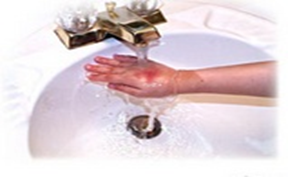
الحروق الكهربائية:
تحدث حروق الكهرباء بسبب التعرض لفولت عالى من الكهرباء. وتسبب الكهرباء جرح مكان دخول وخروج التيار الكهربى.
الإسعافات الأولية للحروق الكهربائية
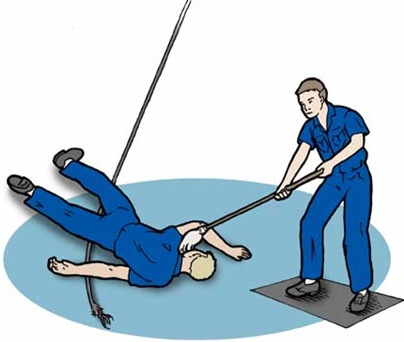
• لا تلمس المصاب إذا كان مازال متصل بالكهرباء.
• إفصل التيار الكهربى
• إستخدم عصا جافة طويلة من مادة عازلة لإبعاد مصدر الكهرباء عن المصاب.
• إذا كان سبب الكهرباء فولت عالى، حافظ على مسافة مترات بعيدا عن المصاب ولا تقترب منه.
• تأكد أن المصاب يتنفس وأن قلبه مازال ينبض وذلك بإحساس النبض.
• ابدأ فوراً فى عملية الإنعاش للقلب والتنفس إذا لزم الأمر .
• غطى الحرق بضمادة معقمة وغطى المريض بغطاء نظيفو اطلب المساعدة فوراً .
إتصل بالإسعاف (123) فى الحالات التالية :
- صعوبة التنفس.
- توقف القلب.
- إضطراب نظام القلب.
- الحروق الشديدة.
- حدوث تشنجات.
تدهور أو فقد الوعى.
طرق الوقاية والسلامة والإنذار المبكر لحدوث الحرائق التي تقلل من الأضرار والخسائر
· يجب تركيب أجهزة تحسس الدخان وهذه يجب أن تكون متصلة بأجراس إلإنذار بالحريق في المنازل وكل أماكن العمل.
· يجب توفير طفايات الحريق في كل ركن من المنزل وأماكن العمل، والتأكد من صلاحيتها بانتظام.
· يجب تركيب دواليب خراطيم المياه الخاصة باطفاء الحرائق في المنازل وأماكن العمل.
· نشر الوعي الوقائي بين ألأطفال بتعليمهم طرق السلامة والوقاية في استخدام الأجهزة خصوصا تلك التي قد تكون مصدرا لنشوء الحرائق، كذلك يجب غرس قواعد السلامة من الحرائق بتفهيمهم عن مصادر الخطر من اشتعال النار وإعلامهم عن مسببات الحروق في الإنسان، وهذه الدروس التربوية يجب أن تعطى في البيت والمدرسة معا، ويجب نصحهم لتجنب اللعب بالمواد القابلة للإشتعال مثل مواقد الغاز أو اللعب بالمواد القابلة للإشتعال وتسبب الحرائق مثل اللعب بأعواد الثقاب والبنزين أوإشعال الألعاب النارية أو اللعب بالأجهزة الكهربائية الهاطلة أو اللعب بأسلاك الكهرباء المكشوفة أو وضع مواد موصلة للكهرياء قي المقابس الكهربائية، أو اللعب بالشمع المشتعلة وغيرها كثير.
· يجب تدريب جميع الفئات البشرية من المواطنين والعمال والطلبة على أعمال إخماد الحرائق بطرق صحيحة مبنية على أسس علمية، ويجب أن يتم ذلك بين آن وآخر، كما يجب على الجهات المختصة بالحرائق ومعالجة الحروق كالدفاع المدني والهلال الأحمر وأقسام الطواريء بالمستشفيات عقد دورات تدريبية عملية منتظمة مدعمة بالقاء المحاضرات التوعوية لإفهام الناس عن مسبات الحرائق وطرق مكافحتها وطرق الوقاية من حدوثها أو الحد من امتدادها وكذلك تعليمهم كميفية التعامل مع الحروق واجراء الإسعافات الأولية للمصابين، لإنقاذ حياتهم ومنع حصول المضاعفات لهم والتخفيف من روعهم وآلامهم، قبل وصول الخدمات الطبية المتخصصة.
· يجب سن القوانين الصارمة لفرض وضع سلالم وأبواب الطواري في كل بناية سكنية أو تجارية، لاستخدامها للهروب وقت حدوث الحرائق.
العادات السليمة للتعامل مع الحروق، و العادات الشائعة الخاطئة للتعامل مع الحروق
⬅️ لا تفعل (العادات الخاطئة) مع الحروق | ⬅️ إفعل(العادات السليمة) مع الحروق |
⬅️ لا تستخدم الثلج أومعجون الأسنان أو الطحين أوالزبدة أوالزيت أوالبيض في عملية تلطيف الحرق ⬅️ عدم إستخدام التراب أو الرمل لعدم تلوث الجروح و لعدم إعاقة عملية التنظيف ⬅️ لا تقم بفتح فقاعات الحروق الجلدية ⬅️ لا تستخدم القطن مباشرة في تغطية الجروح، لإلتصاقه بالحرق ⬅️ لا تنزع الملابس بشكل سريع إذا كانت الملابس ملتصقة بالحرق كي تتفادى حدوث جروح في الجلد ⬅️ لا تستمر بالبقاء بالملابس المسكوب عليها مواد كيماوية حارقة | ⬅️ أغمر الجزء المصاب بالحرق من الجسم تحت ماء الصنبور البارد الجاري ⬅️ يجب استخدام مواد معقمة ونظيفة في تغطية الجرح ⬅️ تبرد الملابس بالماء البارد إذا صعب خلعها ⬅️ يخلع الحلى قبل حدوث التورم ⬅️ خلع الملابس المسكوب عليها مواد كيماوية حارقة ⬅️ الذهاب لأقرب مركز طبي سريعاً |
