
Book
Intravenous Therapy for Newborns
- Intravenous injection and management of intravenous fluids for neonates
Fluids make up approximately 80% of a newborn’s total body weight, which is a significant percentage, especially in low birth weight and preterm infants. Therefore, maintaining fluid balance and meeting the body's fluid requirements is crucial, particularly in the first few days of life. The fluid loss at this stage is due to the redistribution of fluids within the body rather than actual tissue loss, which leads to a physiological weight loss of about 5% to 10% of the neonate’s body weight.
Fluid Loss Mechanisms in Neonates:
- Through the skin or respiratory system: Insensible water loss (IWL) occurs through water vapor in exhaled air, which increases with an elevated respiratory rate.
- Through the gastrointestinal system: Sensible water loss occurs due to diarrhea, vomiting, or nasogastric suction.
- Through the urinary system: Water loss occurs in the form of urine.
Additional Factors Increasing Insensible Water Loss and Fluid Needs:
✔ Premature birth and low birth weight
✔ Phototherapy, which increases fluid needs by approximately
20% of the daily requirement
✔ Elevated body temperature
Steps for Mixing Intravenous Solutions
1. Preparation
- Labels must be written according to hospital identification policies, including the neonate’s name (son/daughter of) and the mother’s full name and file number.
- The required amount and type of solution must be documented.
- Staff should wear a face mask covering the nose and mouth and a head cap.
2. Preparing the Work Area
- Hands must be routinely washed, and clean gloves should be worn.
- The preparation surface should be disinfected using an appropriate antiseptic, such as 70% alcohol, by wiping in a single direction from the inside out.
- Gloves should be removed, and hands should be washed again.
3. Gathering the Necessary Materials
A sterile towel or sheet should be placed on part of the
preparation surface, while all required tools should be arranged on the other
part. These include:
✔ A new syringe and needle for each vial of solution or
medication, based on the required amount
✔ Sterile cotton and 70% ethyl alcohol to disinfect multi-use
vial openings
✔ The prescribed solutions and medications, after removing
their plastic coverings, and checking for expiry dates, cracks, leaks, or contamination
before use
✔ Two sterile gloves
✔ A metal container for disposing of excess solution
Ensuring the Availability of the Following:
✔ A safety box for disposing of sharp waste (needles and
ampoules)
✔ A waste bin with a red bag
4. Preparing the Base Solution (The Primary Solution with the Largest Volume Needed)
- The lead nurse and the assisting nurse should wash their hands thoroughly and disinfect them with alcohol according to infection control policies. They should then wear sterile gowns and gloves.
- The assisting nurse disinfects the openings of solution vials and ampoules using a new alcohol swab for each multi-use vial or ampoule and opens the syringe packaging.
- The lead nurse receives a new syringe and needle from the assisting nurse after removing the cover without touching critical areas.
- The nurse removes the plastic cap from the solution vial and inserts the needle to withdraw excess volume before reinserting the necessary amount per the medical prescription.
- The syringe is discarded after the final withdrawal of the solution.
5. Adding Secondary Solutions to the Base Solution
- The lead nurse receives a new syringe and needle from the assisting nurse after the packaging is removed.
- The needle is inserted into the secondary solution vial, and the required volume is drawn before being added to the base solution vial.
- The syringe is detached from the needle, leaving the needle in the base solution vial.
- If additional solutions need to be added, the steps are repeated.
6. Adding Medications to the Base Solution
- The assisting nurse opens the medication ampoule per the medical prescription and prepares a new syringe.
- The lead nurse draws the required medication dose and injects it into the base solution vial.
- If additional medications are needed, the process is repeated.
- Used syringes are disposed of in the safety box immediately.
7. Completion of the Preparation Process
✔ Solutions should be labeled with barcodes for each neonate
per hospital identification policies.
✔ The prepared solutions are delivered on a clean tray to the
responsible nurse in the unit or stored in the refrigerator (unused solutions
must be discarded after 24 hours).
✔ Syringes, needles, and waste are disposed of in their
designated areas.
✔ The preparation area is cleaned and disinfected.
✔ Gloves are removed, and hands are washed thoroughly.
General Guidelines for Administering IV Solutions:
- IV fluids should be given through a peripheral vein or a central vein (umbilical vein).
- Maintain strict aseptic techniques during preparation.
- Always use a closed IV system.
- Use an infusion pump to prevent errors in fluid administration, especially in preterm or low birth weight neonates.
- Monitor the infusion rate every hour.
- Document the time and date of IV line placement in the records.
- Review physician orders daily, even if they are the same as the previous day.
- Blood and blood products should be administered through a peripheral vein and never through an umbilical artery or peripheral artery.
- Follow the hospital’s high-risk connection identification policy during blood and medication administration.
- Do not mix medications in the same syringe. Instead, administer each drug separately as follows:
- Stop the IV fluid infusion.
- Inject the first medication.
- Flush the IV line with saline.
- Inject the second medication.
- Flush with saline again before resuming IV fluids.
- If the medications are compatible with the IV fluid, use a three-way stopcock after consulting the pharmacy.
Nursing Care During IV Fluid Administration:
1. Preparing the Equipment
✔ IV solution as per the doctor's prescription
✔ Cannula or umbilical catheter
✔ IV infusion set
✔ Three-way stopcock
✔ Sterile gloves
✔ 70% ethyl alcohol
✔ Sterile gauze
✔ Kidney dish
✔ Adhesive tape
✔ Waste bin with a red bag and safety box
2. Infection Prevention Measures
✔ Routine hand washing or alcohol hand rub (70%)
✔ Use of sterile gloves when inserting IV lines
✔ No needle should be inserted into the rubber port of the IV
set for drug administration in a central line; instead, a three-way stopcock
should be used
✔ Frequent monitoring of the IV site for swelling, infection,
or leakage, and immediate removal if complications arise
✔ Warm compresses followed by cold compresses should be
applied to swollen areas after IV removal
3. Steps for IV Fluid Administration
✔ Verify neonate identity and IV solution prescription
✔ Routine hand washing and wearing sterile gloves
✔ Disinfect the IV line connection port with 70% alcohol
before attachment
✔ Ensure the IV set does not touch unsterile surfaces
✔ Adjust the infusion rate per doctor's orders and monitor
hourly
4. IV Site Dressing Change
✔ Change dressings daily or if they become wet or soiled
✔ Use minimal adhesive tape on the skin
✔ Record the date, time, and personnel who inserted the IV
line on the dressing
5. Blood Glucose Monitoring
✔ Blood glucose levels should be measured every six hours or as per the physician’s orders
6. Fluid Balance Chart
✔ Nurses should document fluid intake and output on the
neonate's medical record every hour
✔ Fluid intake includes:
- Oral or nasogastric feedings
- IV fluids (including total parenteral nutrition)
- Saline flushes
✔ Fluid output includes: - Urine and stool (by weighing diapers)
- Gastric aspirates, vomiting, or suctioned secretions
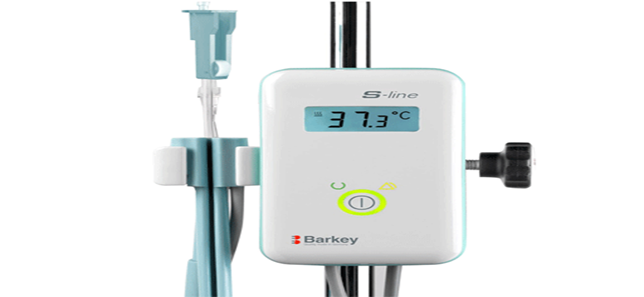
Blood Warmer
